By Mike Lentz | The Mike Lentz Team - Keller Williams Realty
The latest expert forecasts say no. More than 100 housing analysts surveyed by Fannie Mae expect national home prices to rise every year through 2030, even in pessimistic scenarios. In South Jersey, the same fundamentals apply: inventory stays tight, demand remains strong, and a drop in home prices is not in the projections.
Half the buyers out there are scared home prices are about to crash. The other half are hoping they will. If you have been asking will home prices drop, the latest forecasts paint a very different picture.
A recent survey from Clever found 58 percent of Gen Z buyers are rooting for a crash, just so homeownership feels within reach.
So, what do the forecasts actually say?
Every quarter, Fannie Mae surveys more than 100 housing experts on where prices are headed. The newest results are in. Spoiler alert: none of them expect home prices to drop, not even the pessimists.
Will Home Prices Drop? What the Newest Forecasts Say
The panel’s latest forecast has prices climbing every single year through at least 2030.
The panel’s average forecast is that prices will rise by 14.7 percent in the next five years. Here is where it gets interesting. If you split these experts into optimists and pessimists, even the pessimists still expect prices to increase about 6.6 percent by the end of 2030. In other words, not even the bearish outlook has home prices dropping.
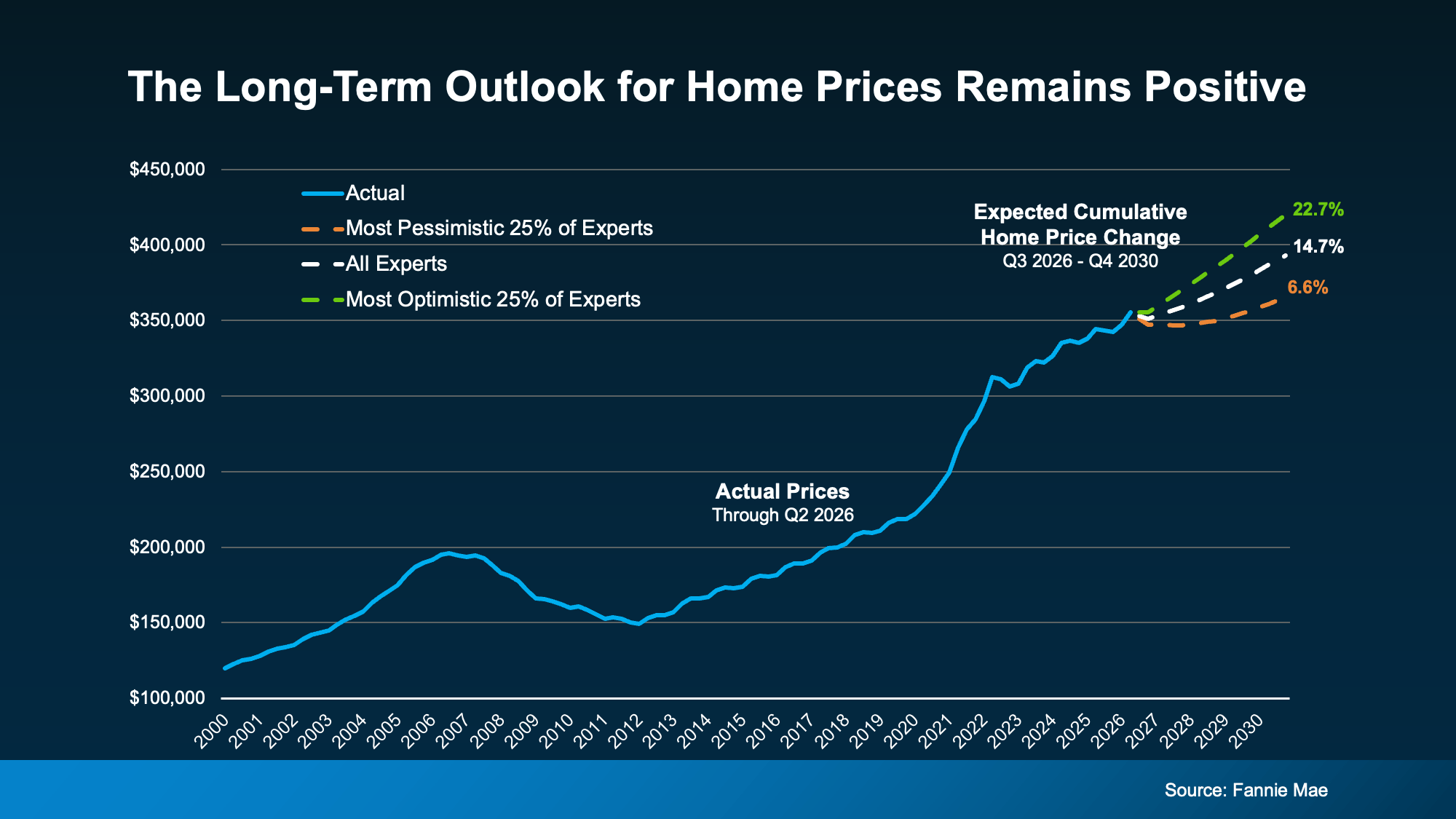
The takeaway? If you have been waiting for prices to fall, you may be waiting a while.
One thing to keep in mind: these are national numbers. Prices in Camden, Burlington, Gloucester, Salem, or Cumberland counties could run a little hotter or a little cooler than this, so it helps to know what is happening locally. But the big picture is prices are not crashing. Historically prices usually rise.
How This Quarter Compares to the Past
Here is something you probably do not realize. This survey runs four times every year, so you can track the panel’s mood over time.
A year ago, the panel expected home prices to grow 2.1 percent this year. Now they are forecasting 2.5 percent. That means the near-term outlook actually got more optimistic. But that is only part of the story. The years after that shifted, too.
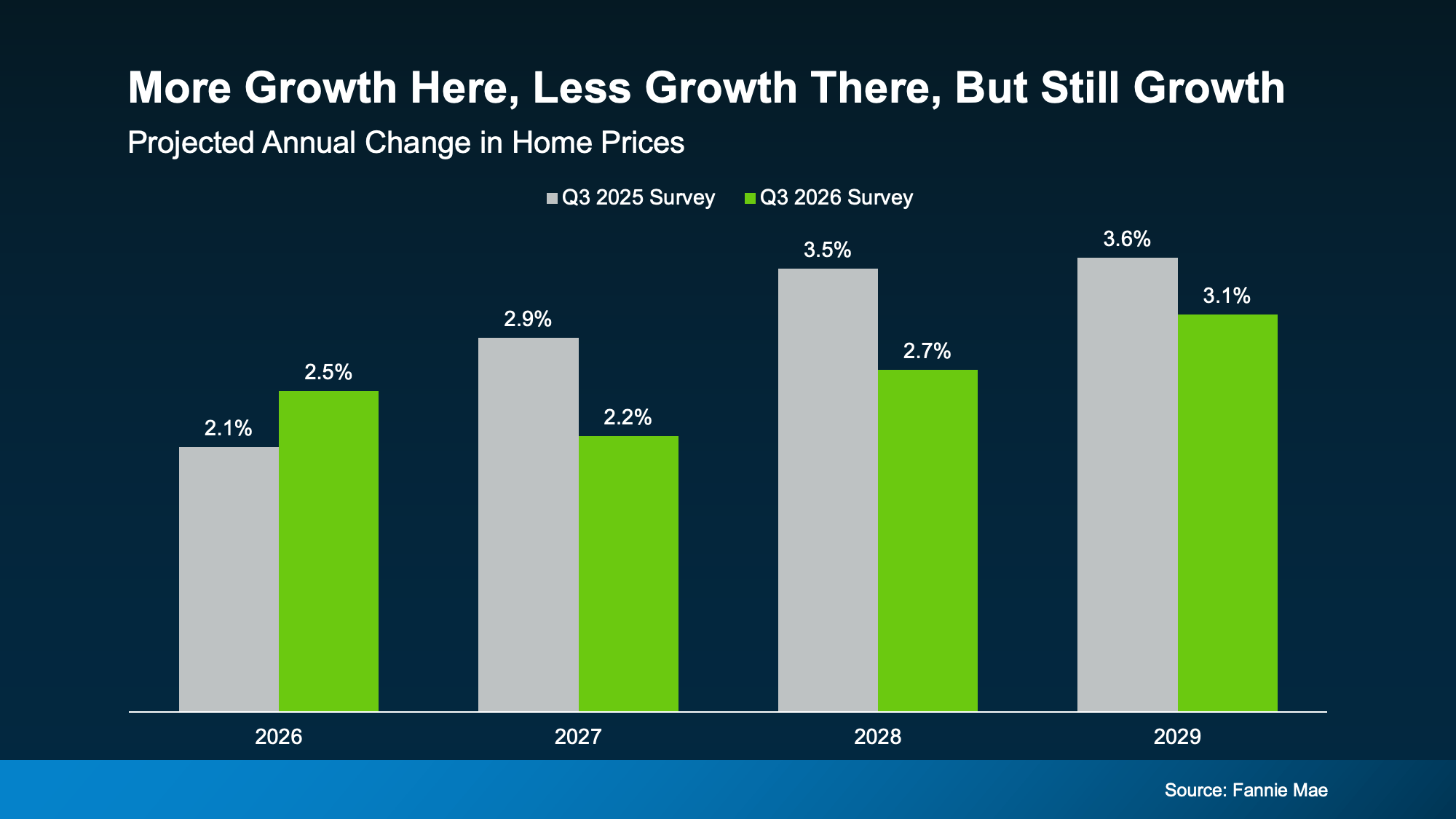
Zoom out to 2027 through 2029 and the mood has cooled a bit. Each of those years is now expected to see a little less growth than the panel thought a year ago. That is likely a reflection of where we are right now with everything impacting the market.
But again, the overall takeaway here is every bar shows an increase in prices. The size of that increase has just moderated due to some of the factors at play.
Why Experts Do Not Expect Home Prices to Drop
A slower climb is not a bad thing. It is a sign the market is settling into a more normal pace after a few wild years.
A little more growth here, a little less growth there. What has not budged once is the idea that home prices will keep growing. Even when experts adjust their outlook, a drop in home prices never enters the conversation.
What It Means for Your Next Move
Now, percentages are great, but you probably care more about the actual dollars and cents of your move. Let’s graph that out, too.
Run the numbers on a $400,000 home bought in January, and the panel’s latest forecast puts you up about $58,000 in equity in five years just from price growth.
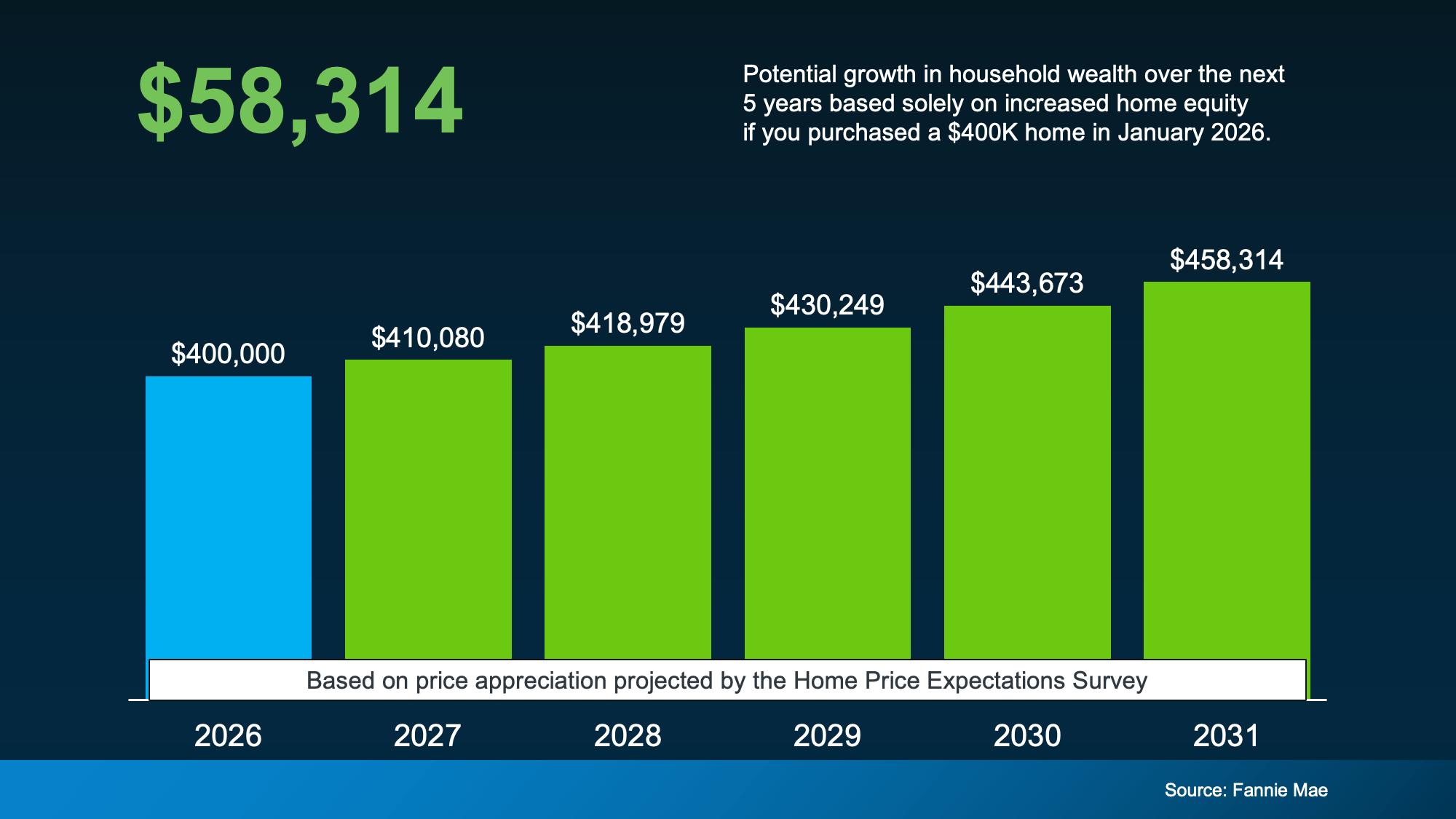
That is real wealth you could be building while others sit on the sidelines, waiting for a crash the experts do not see coming. With prices expected to keep rising, waiting could mean paying more for the same home later.
What This Means Locally
If you are trying to decide when to buy or sell, this context matters. Waiting for home prices to fall might not be a winning strategy. The fundamentals that drive national forecasts apply here, too: tight inventory, strong demand, and steady long-term appreciation.
If you want to talk through what this means for your situation, schedule a quick call and we’ll walk through it together.
For the full picture in your county, see our county market reports for Camden, Burlington, Gloucester, Salem, and Cumberland counties.